
Areeba runs fraud detection and AML analytics on SingleStore.
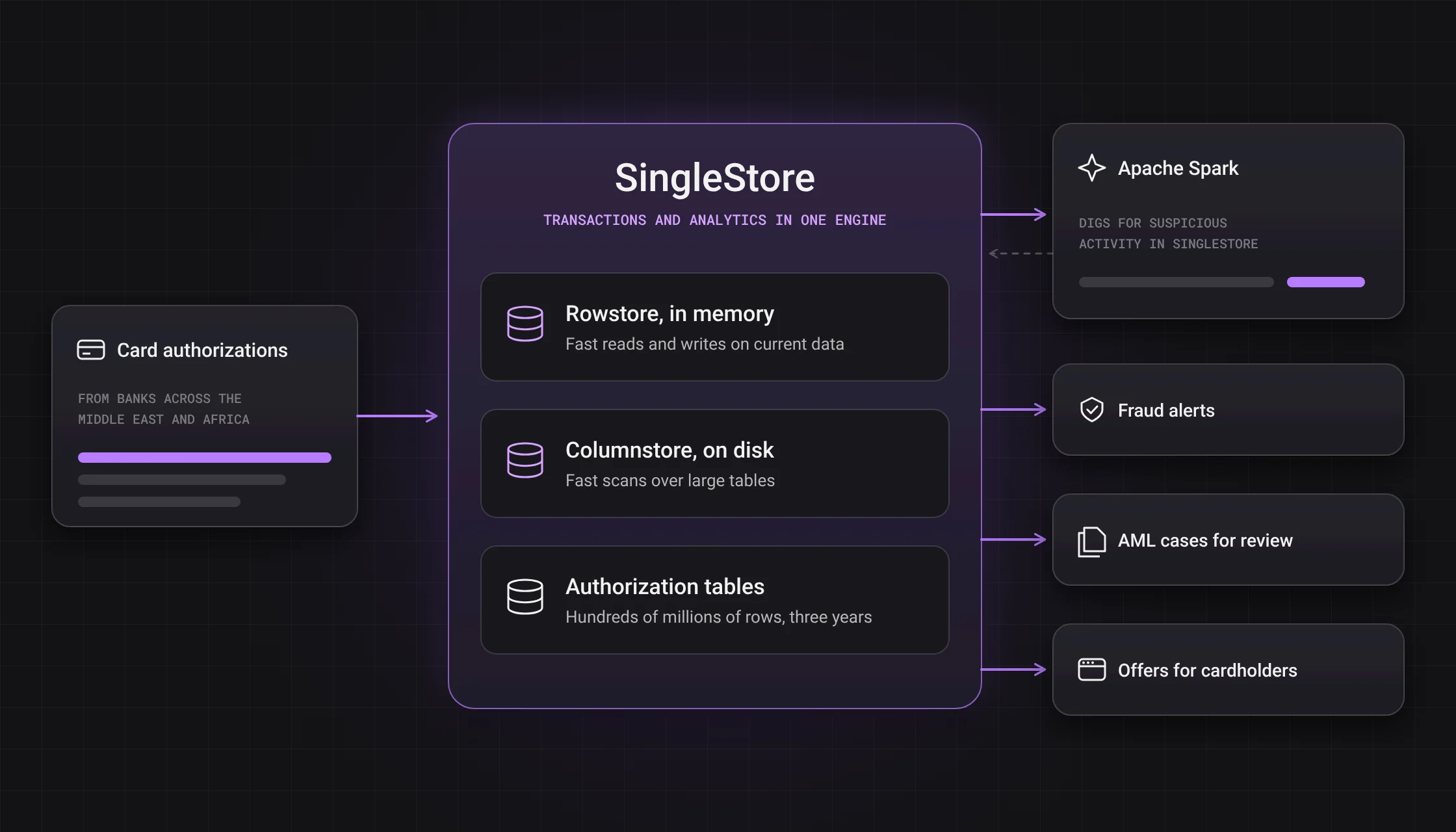
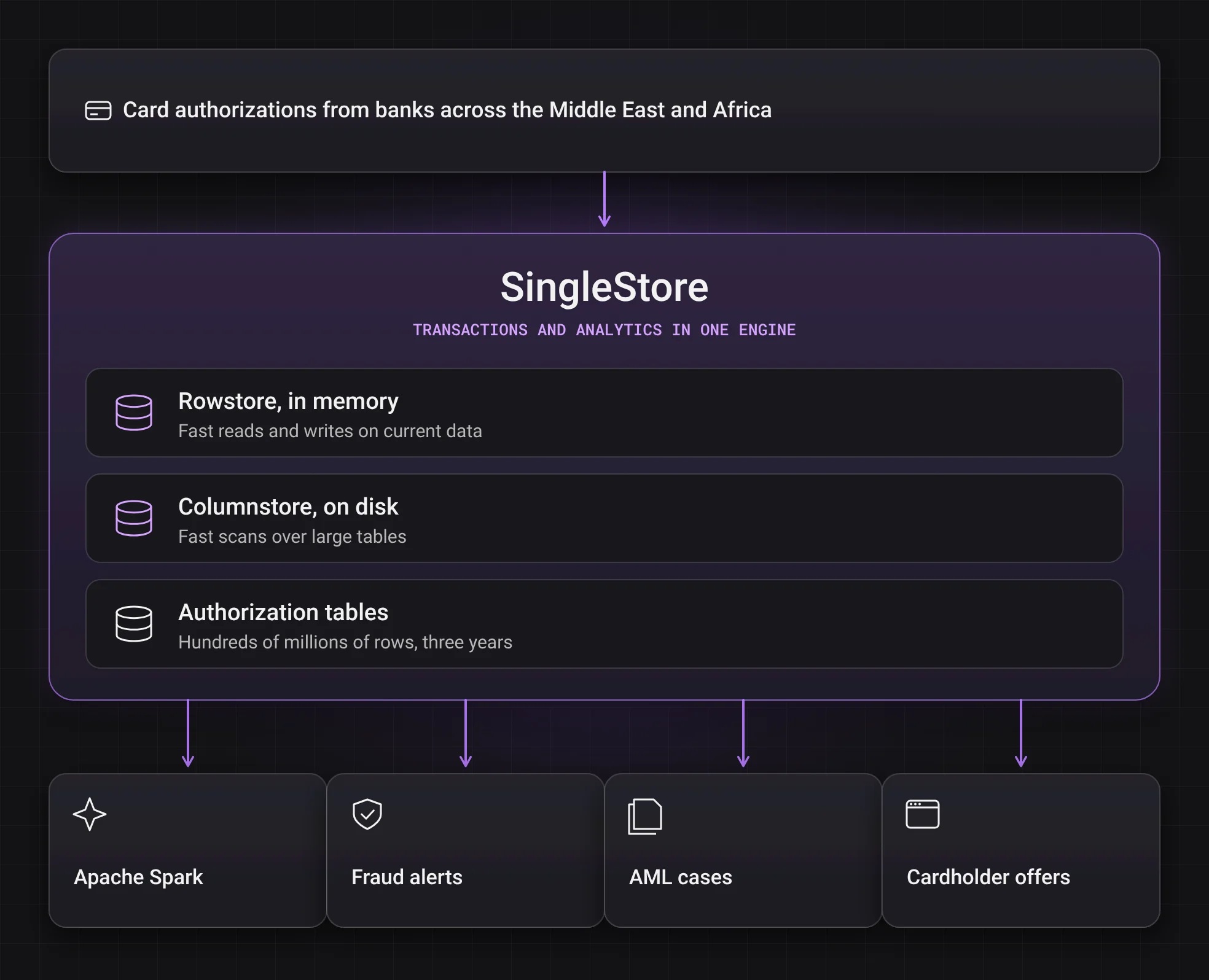
Areeba provides card processing, loyalty programs and e-commerce payment gateways to banks and businesses across the Middle East and Africa. It uses SingleStore, a database that runs transactions and analytics in one engine, to search hundreds of millions of card authorizations for fraud and money laundering.
Card authorizations in Areeba’s largest table
100s of millions
Size of that authorizations table
~100 GB
Payment history kept in one database
3 years

SingleStore is helping Areeba cover all our operational analytical needs.
Areeba began as the payment cards and electronic services division of Bank Audi, a leading Middle Eastern bank, and was spun out as its own company to serve banks across the region. Every card payment it processes starts as an authorization, and each one has to be checked for fraud and money laundering.
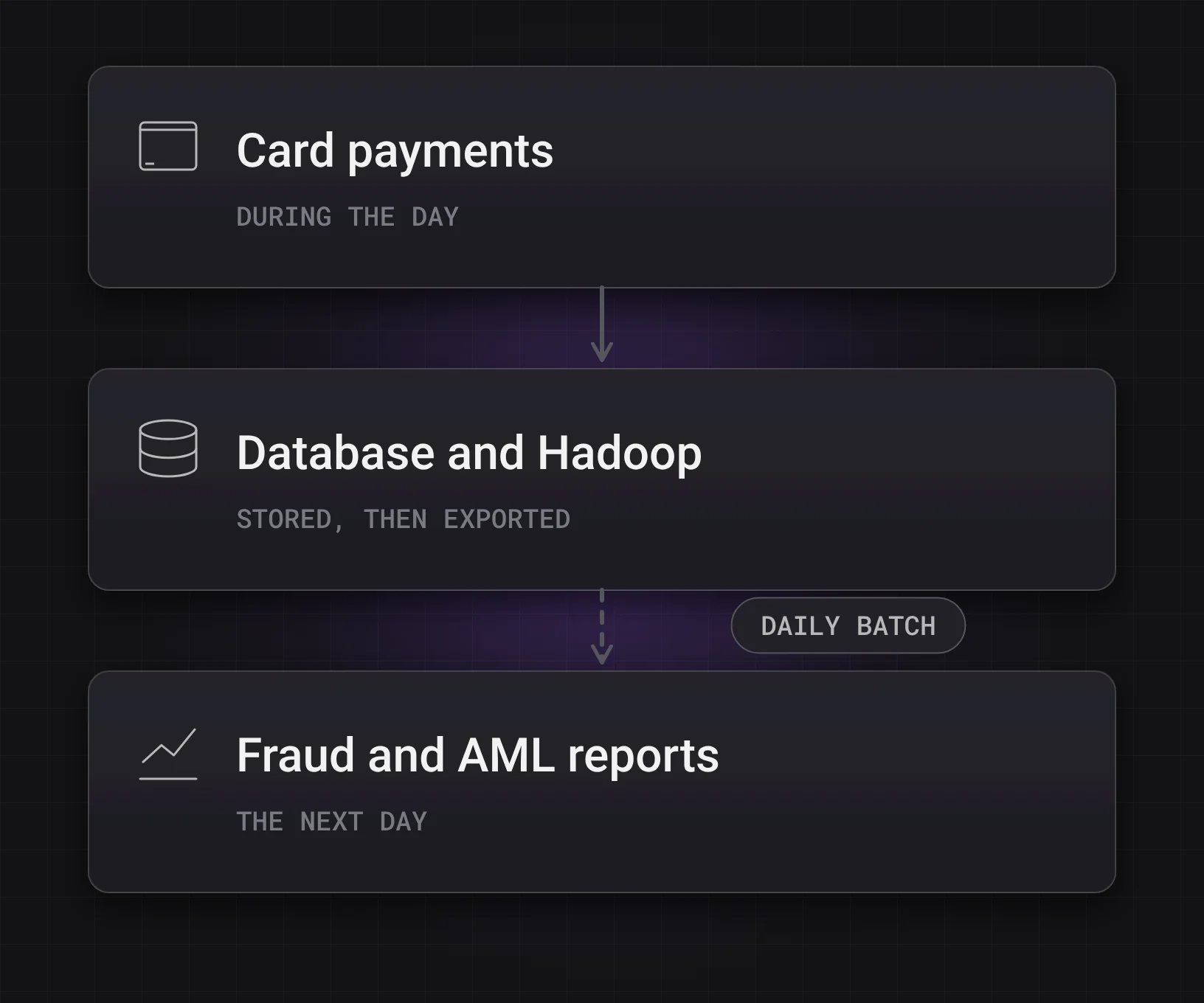
Its data lived in a Hadoop cluster for unstructured data and a MariaDB relational database. Fraud detection and anti-money laundering (AML) checks ran against each day’s transactions, so the response to a suspicious card started after the day had closed.
Elie Soukayem, Areeba’s director of data and analytics, first saw SingleStore at Bank Audi, where a partner built a card-processing prototype on it that also suggested offers. When he moved to Areeba, the team went straight to SingleStore to save time.
Areeba runs Apache Spark against SingleStore to search card activity for suspicious patterns. Because SingleStore handles transactions and analytics in one engine, each check reads the latest authorizations as they are written, with no batch export in between.
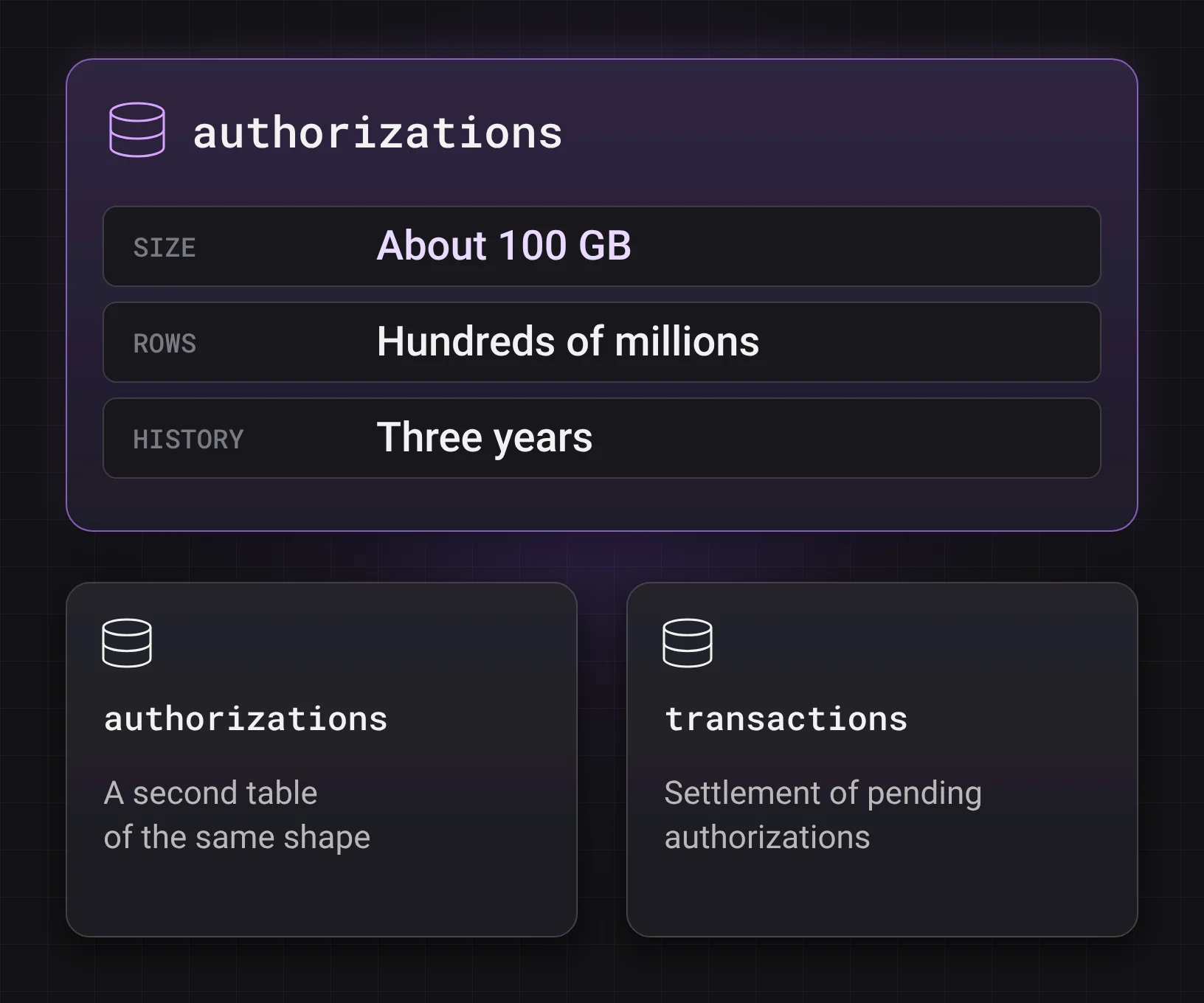
The largest table is about 100 GB and holds hundreds of millions of authorizations from three years of payments. A second table of the same shape sits beside it, with a smaller transactions table that holds the settlement of pending authorizations.
We’re using SingleStore with Apache Spark to dig for suspicious activities. Performance with SingleStore is impressive.
Fraud detection on card authorizations
Spark jobs search card activity against three years of authorization history in SingleStore, so suspicious cards surface from current data.
Anti-money laundering monitoring
AML checks run on the same authorization and settlement tables as fraud detection, in the same database, for the patterns Areeba has to report.
Offers for cardholders at checkout
Areeba’s recommendation project stores insights from cardholder activity in SingleStore and uses predictive analytics to pick an offer each time a customer pays.
I’ve been in this business since 2005, and performance has always been a challenge. Storage in memory and on disk is a plus.


Talk to an engineer about fraud and AML analytics.
Bring a fraud, AML or payments analytics workload, and a SingleStore engineer will walk you through the architecture and a proof of concept on your data.