1. The Quiet Crisis in Enterprise AI
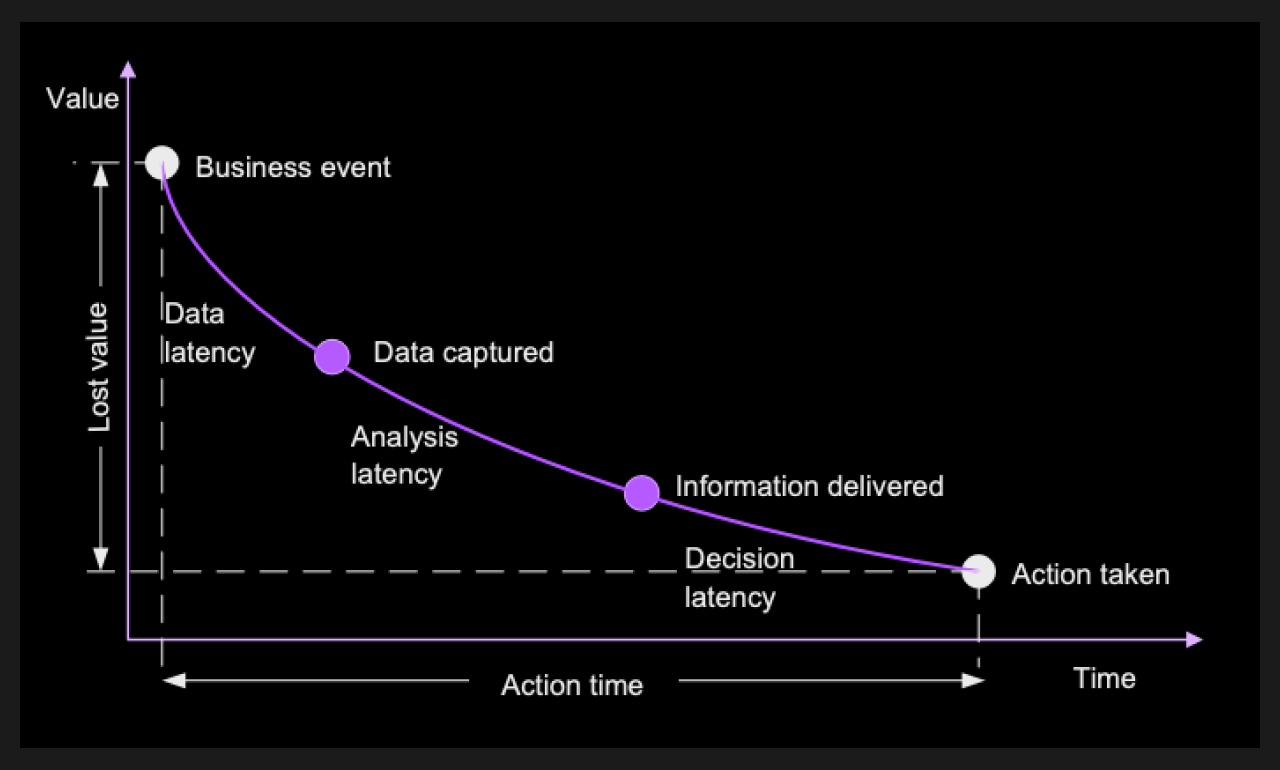
AI now dominates every boardroom conversation — yet beneath the excitement lies a quiet crisis: the faster our data grows, the slower our decisions get.

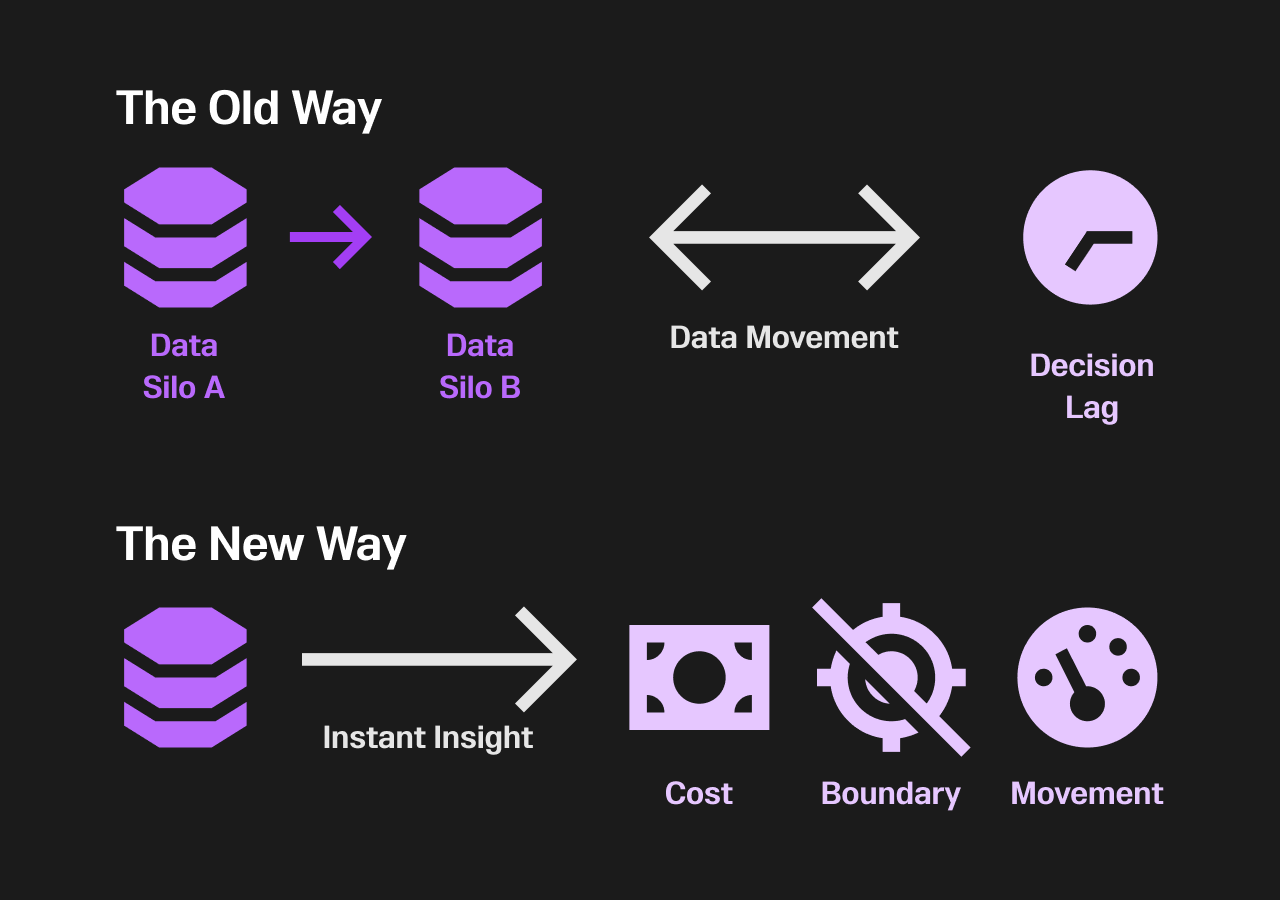
In most enterprises, information is abundant but intelligence is fragmented. Data sits in one system, compute in another, and models elsewhere — with pipelines, APIs, and sync jobs introducing latency, cost, and risk.
This “Decision Lag” is an invisible tax on every insight, action, and opportunity.It slows time-to-value and dilutes the promise of AI-driven agility.
At SingleStore, we asked a fundamental question:
If AI is the future of decision-making, why does our architecture still slow it down?
2. The Spark: From Offsite Hypothesis to Breakthrough
Earlier this year, during an engineering offsite, we explored a radical idea:
Could SingleStore alone — without external systems — power an entire enterprise AI stack?
We built a live demo proving a single SingleStore cluster could act as:
A Redis-grade cache
A JSON and full-text store
A vector engine matching Pinecone/Milvus
A real-time analytics and billing engine
The outcome was striking: Everything enterprises use Redis, MongoDB, Pinecone, ClickHouse, and Elastic for — can already be done natively inside SingleStore.
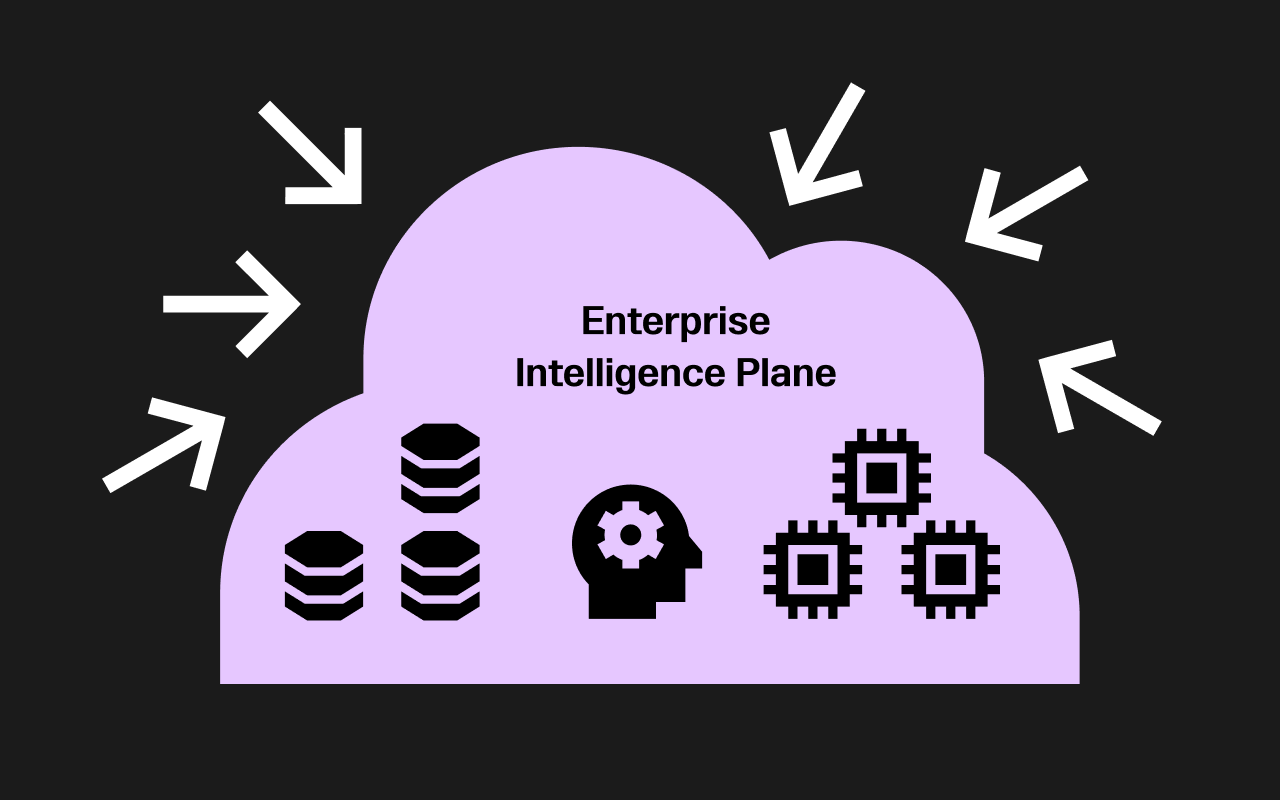
No patchwork. No latency. Just one unified engine for data, logic, and intelligence. This became the foundation of what we now call the Enterprise Intelligence Plane.
3. The Vision: From a System of Record to a System of Reason
For decades, databases served as the memory of the enterprise — passive systems of record. Our vision is to evolve them into the mind of the enterprise — a system of reason.
Architecturally, this means merging data, compute, and AI into one unified execution plane. Intelligence becomes a native workload running beside transactions and analytics, not an afterthought.
This approach eliminates fragmentation, reduces data movement, and delivers zero-latency intelligence — enabling real-time decisioning, better governance, and lower total cost of ownership.
4. Core Architectural Principles
The Enterprise Intelligence Plane is built on a few non-negotiable design principles that reimagine how enterprise AI is built, governed, and scaled.
4.1 Unify the Stack — Bring AI to the Data
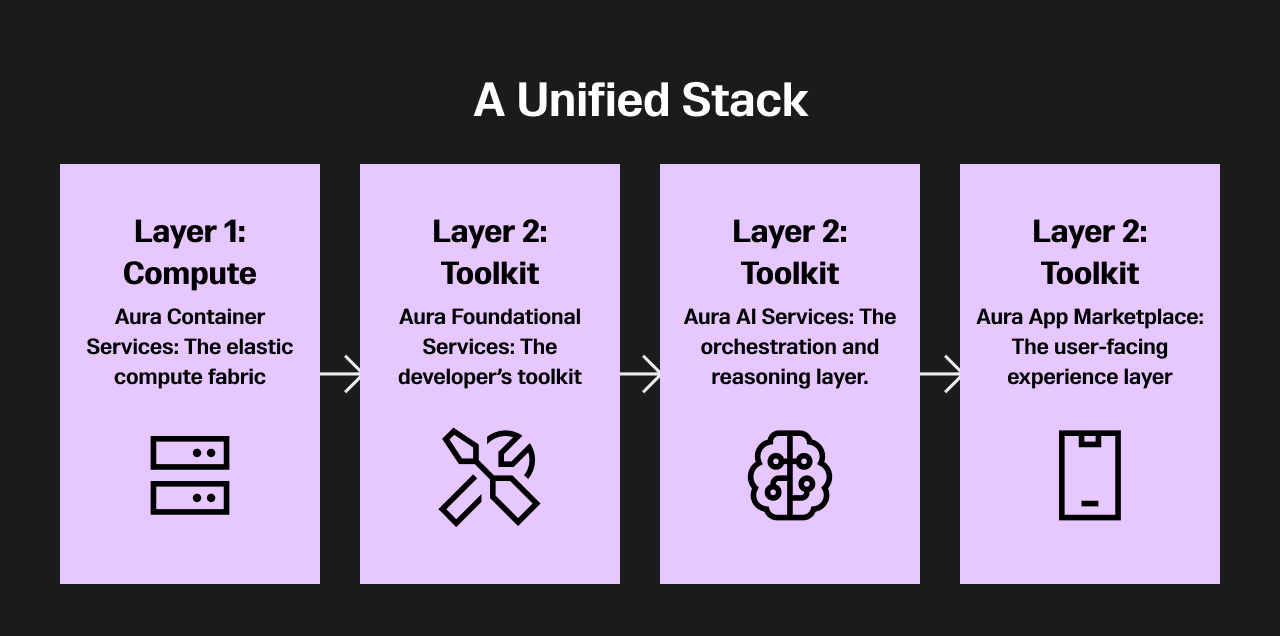
Instead of exporting data to multiple external systems, we bring AI directly to the data plane. The SingleStore AI Platform unifies four architectural layers:
Compute (Aura Containers) — Elastic, serverless compute with instant start.
Toolkit (Foundational Services) — Unified model gateway, Python UDFs, and event-driven cloud functions.
Brain (AI Services) — Orchestration of agents and semantic reasoning with persistent memory.
Apps (Marketplace) — Business-facing AI agents and applications, ready to deploy.
This collapses complexity and turns the database into a real-time intelligence engine.
4.2 Centralize Control with the Nova Gateway
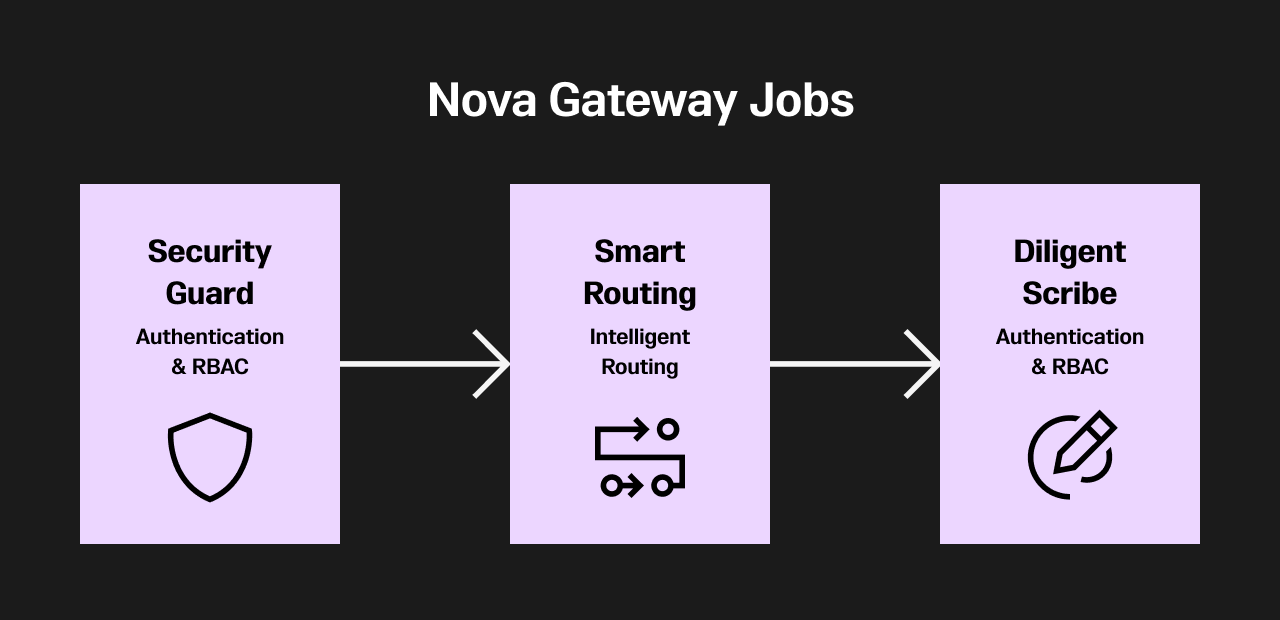
The Nova Gateway acts as the secure and intelligent control plane — the single entry point for all AI requests.
It performs three key functions:
Security Guard: Enforces enterprise-wide authentication and RBAC.
Smart Router: Directs traffic to the right agent, model, or compute function.
Diligent Scribe: Manages conversation memory within ContextDB, keeping agents stateless.
This architecture simplifies scaling, governance, and observability — transforming disparate AI services into a single, managed ecosystem.
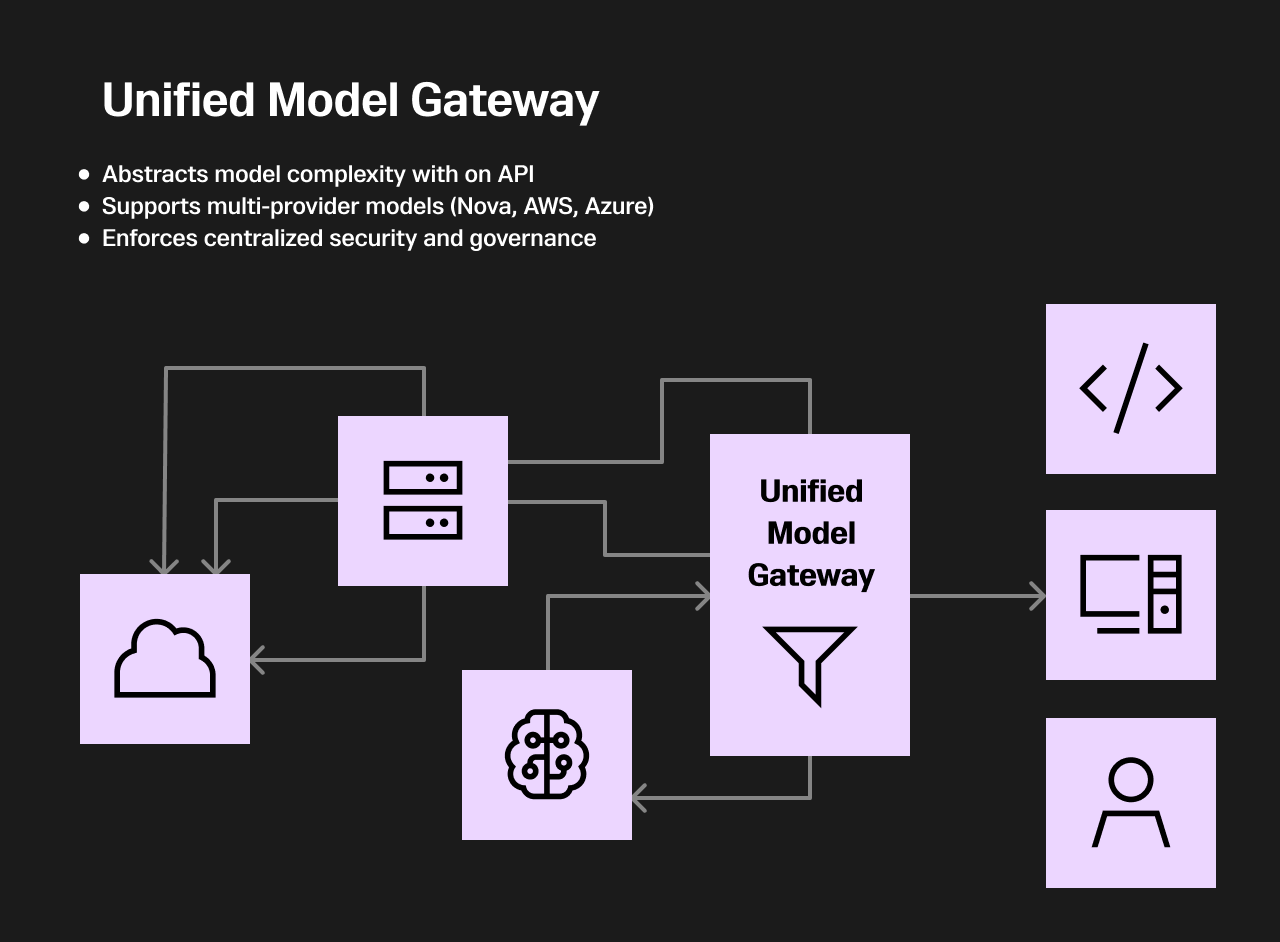
4.3 Abstract Complexity with a Unified Model Gateway (UMG)
The Unified Model Gateway standardizes how enterprises interact with AI models.It provides:
Multi-provider support: Native integration with Nova-hosted, AWS Bedrock, and Azure AI models.
Billing and usage metering: Every inference is tracked transparently.
Centralized governance: Enforced access control and traceability across all models.
UMG transforms model chaos into a governed, billable, enterprise-ready utility.
4.4 ContextDB — The Memory Behind the Mind
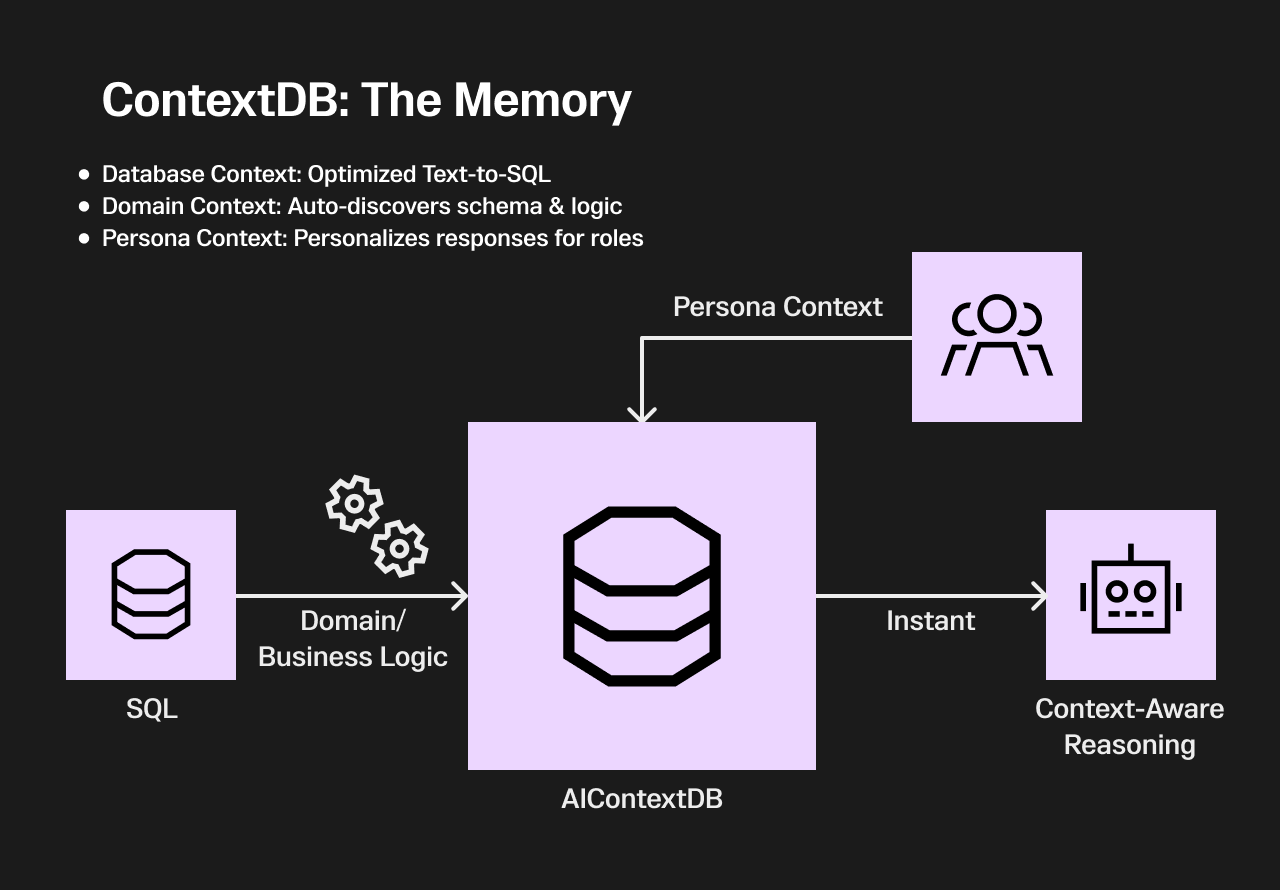
AIContextDB, built on SingleStore, powers multi-turn reasoning and memory. It stores context across three layers:
Database Context: Optimized Text-to-SQL generation
Domain Context: Schema and logic auto-discovery
Persona Context: Role-based personalization
ContextDB enables situational reasoning — where AI not only answers questions but understands enterprise context in real time.
4.5 Enterprise-Grade Foundations
Security, governance, and scalability are not add-ons; they’re built-in.Key elements include:
Unified RBAC: Clear, hierarchical access across users, resources, and organizations.
Data Protection: TLS encryption in transit and user-specific encryption at rest.
Integrated Billing & AI Tracing: Observability and cost transparency, natively powered by SingleStore.
This delivers the trust, compliance, and auditability Fortune 1000 enterprises demand.
5. The Counterpoint: Why Not Just Stitch “Best-of-Breed”?
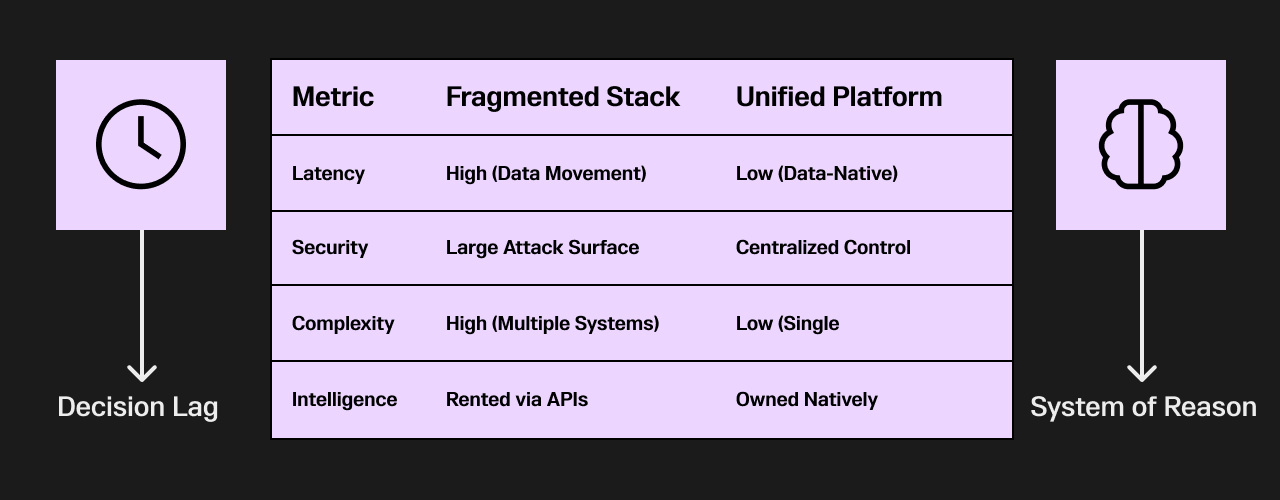
A stitched-together AI stack may look flexible but introduces:
Friction and Latency: Every sync job adds delay — fueling Decision Lag.
Security Gaps: Duplicated data increases attack surface and compliance risk.
Operational Chaos: Multiple systems create debugging nightmares and rising costs.
Fragmented stacks rent intelligence via APIs.The Enterprise Intelligence Plane owns intelligence as a native capability. This architectural integrity is what differentiates enterprise-grade AI from experiments.
6. Proof in Action — Aura Analyst
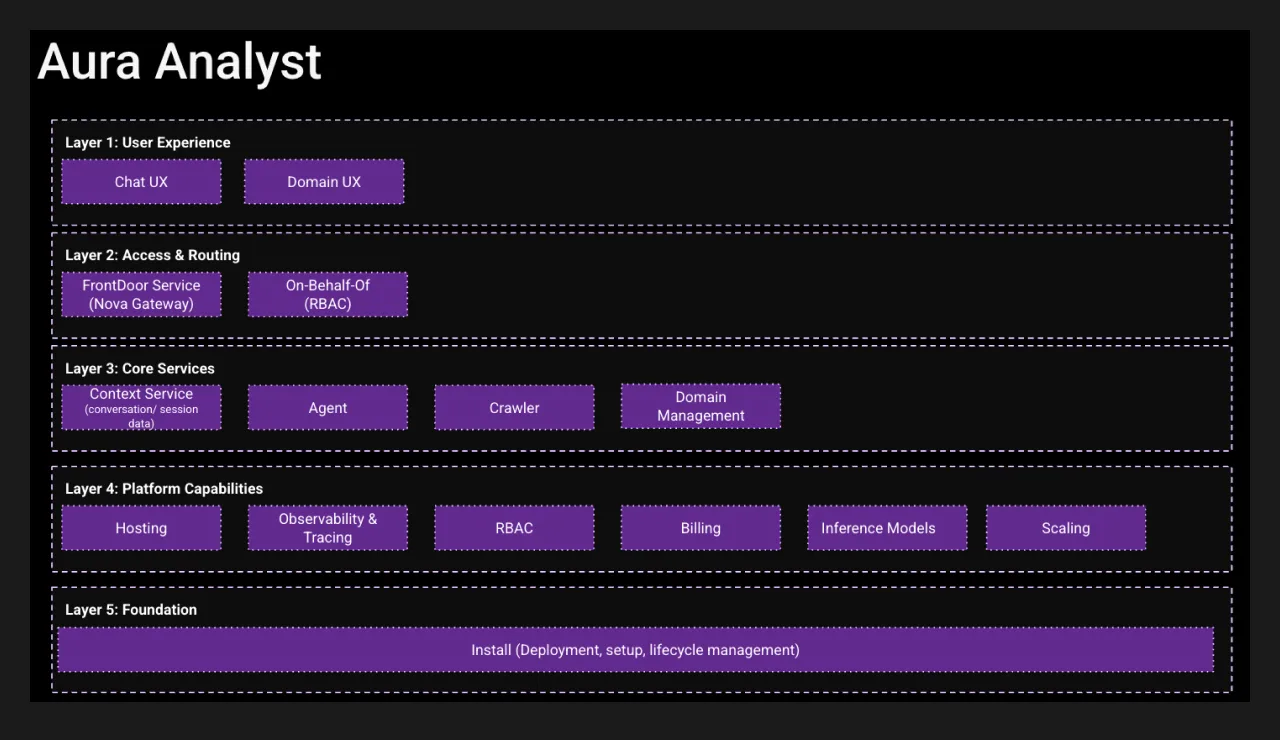
We validated this architecture by building Aura Analyst (Text2SQL) — a conversational analytics assistant that lets users query data in plain English.
Built 100% on SingleStore Aura and SingleStore
Generates SQL dynamically and executes queries instantly
Enables AI-native, real-time analytics experiences for enterprise apps
It’s more than a feature — it’s a proof point that shows SingleStore’s ability to run LLMs, ML pipelines, and real-time reasoning directly in the database.
7. The Future: Data-Native Intelligence
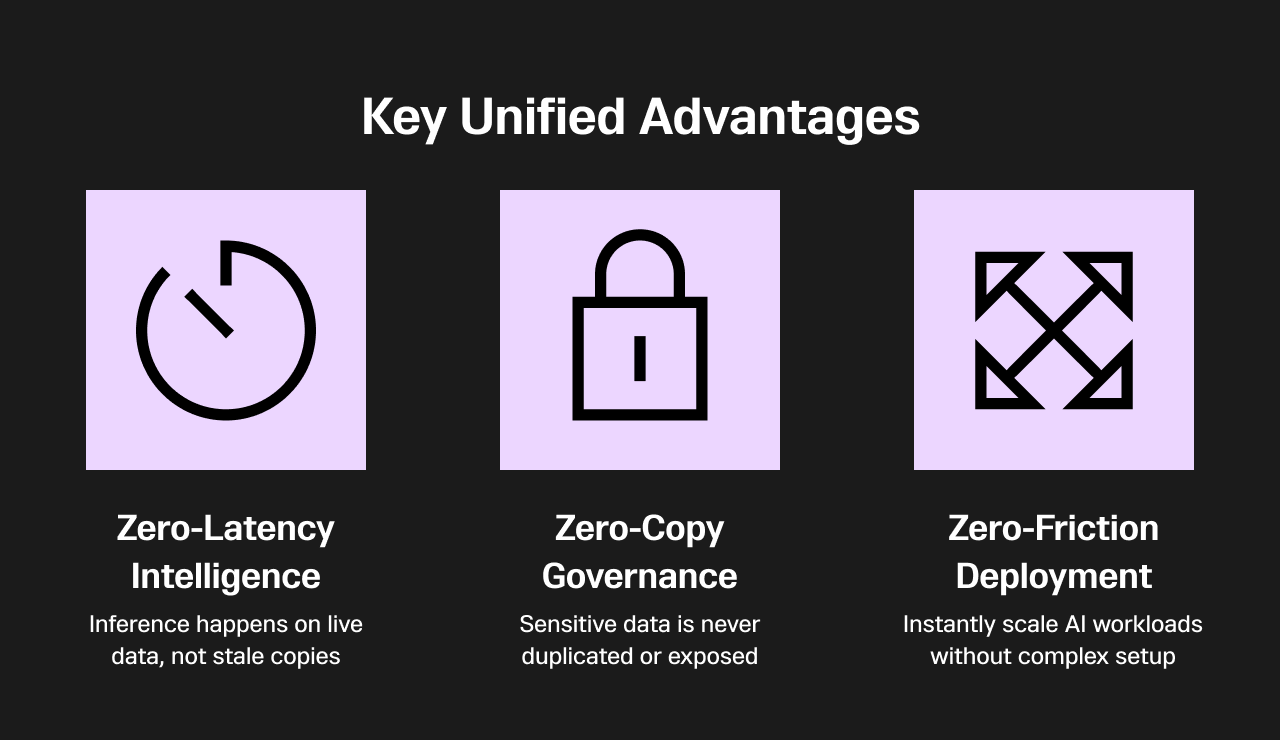
This new architecture eliminates Decision Lag and positions SingleStore at the core of the data-native AI movement. By collapsing data, compute, and intelligence into a unified plane, we enable:
Zero-Latency Intelligence: Inference happens on live data
Zero-Copy Governance: Sensitive data never leaves its secure boundary
Zero-Friction Deployment: Instant scalability for any AI workload
This is the evolution from systems of record to systems of reason — where data not only stores history but helps shape the future.
8. What Comes Next
Our Enterprise AI roadmap extends this foundation into two delivery models:
Private Cloud AI — For regulated industries investing in sovereign AI
SingleStore-hosted SLM/LLM & Agent Studio — For enterprises building private Glean- or Perplexity-like solutions
We believe customers can build their next-generation AI platforms directly on this framework — securely, efficiently, and without external dependencies.
9. Closing Thought
This is more than architecture — it’s a new operating model for enterprise intelligence.It redefines what’s possible when data and AI converge natively, under one roof.
SingleStore is not just powering analytics anymore. We are powering decision-making itself — in real time.
Frequently Asked Questions
The quiet crisis refers to “Decision Lag” — the growing gap between data generation and decision-making. As enterprises rely on fragmented systems for data, compute, and AI, latency and complexity slow down insights and weaken AI’s impact on business agility.
The Enterprise Intelligence Plane is SingleStore’s unified architecture that merges data, compute, and AI into one execution layer. It eliminates data movement, reduces latency, and enables real-time reasoning, governance, and scalability directly within a single data platform.
SingleStore integrates compute, AI orchestration, and memory natively into its platform. Using Aura Containers, the Unified Model Gateway, and ContextDB, it allows AI models and agents to run beside data and transactions—removing the need for external systems like Redis, MongoDB, or Pinecone.
The architecture includes:
- Aura Containers or elastic compute
- Foundational Services for Python UDFs and cloud functions
- AI Services (Brain) for reasoning and orchestration
- Nova Gateway for control, security, and routing
- ContextDB for persistent conversational and contextual memory
The Nova Gateway acts as a secure, intelligent control plane. It authenticates requests, routes AI tasks to the right agents or models, and manages contextual memory to keep agents stateless—simplifying governance and scaling across enterprise AI workloads.
The UMG standardizes enterprise access to AI models. It supports multiple providers (e.g., Nova-hosted, AWS Bedrock, Azure AI), centralizes billing and governance, and ensures traceability across all AI interactions—turning model sprawl into a managed, auditable service layer.
ContextDB stores layered context—database, domain, and persona—enabling AI to understand organizational data structures, logic, and roles in real time. This allows AI agents to provide accurate, context-aware responses and analytics directly on live enterprise data.
Stitched-together stacks introduce latency, security risks, and operational overhead. SingleStore’s unified approach eliminates these issues by embedding intelligence natively, ensuring zero-latency insights, tighter security, and lower total cost of ownership.
Aura Analyst is a conversational analytics assistant built entirely on SingleStore Aura and SingleStore. It allows users to query data in plain English using Text2SQL—showcasing how SingleStore can power LLMs, analytics, and real-time reasoning within a single engine.
By collapsing data, compute, and intelligence into a single, governed plane, SingleStore enables enterprises to build private AI ecosystems—supporting private cloud AI and hosted AI studios. This architecture delivers real-time, secure, data-native intelligence at scale.