SingleStore Helios®
The database for the applications you run today and the agents you’ll run next: transactions, analytics, vector and full-text search on one copy, queryable the moment it’s written.
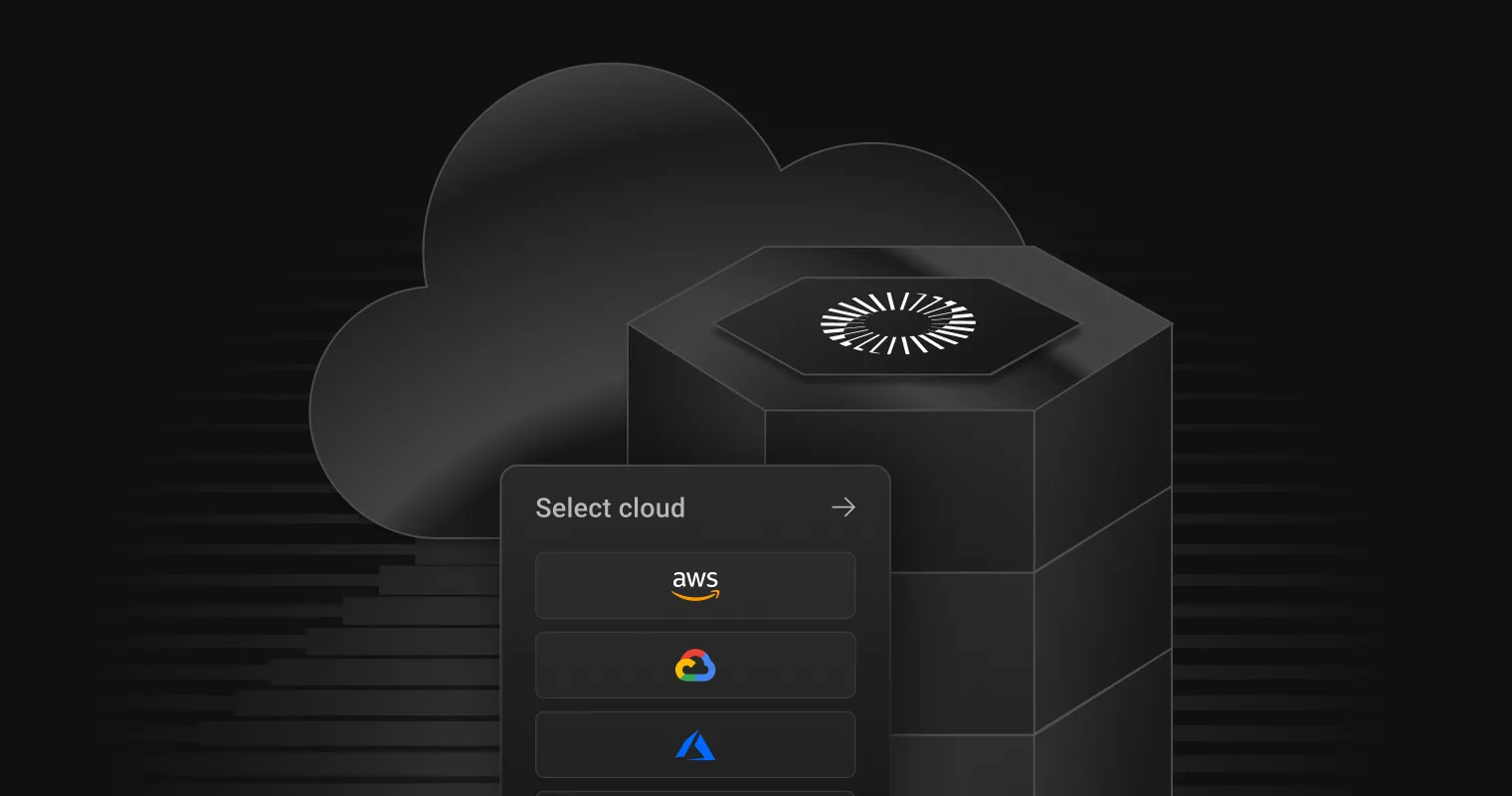
SingleStore Helios® is a cloud database-as-a-service available on AWS, Microsoft Azure and Google Cloud and delivers elastic scalability, high availability and exceptional price-performance for your applications, without the burden of managing your data infrastructure.
SingleStore Helios scales storage independently of compute and includes Jupyter notebooks, data integration services and a compute service for running AI workloads, so developers, ML engineers and data engineers can build together.
The future is already here.
Watch it in 45 seconds.
Why agents need the live state of the business, and how one engine with one copy gives it to them.
One database for the data agents read and write.
An agent reads current data, decides and writes back, and the next agent reads that write. When records, embeddings and business definitions sit in separate systems, every hop adds a copy and a delay. Helios keeps them in one engine, so every agent reads the latest write.
Business definitions held once
The SingleStore Context Engine stores definitions, relationships and permissions in the database. Agents read them on every call and stop rediscovering the schema.
Vector and full-text search on live rows
Vector and full-text search join to the rows they describe in one SQL query. Embeddings sit in the same tables as the records, so there is no separate store to keep in sync.
Agent writes readable on commit
Transactions and agent writes are queryable the moment they commit. An agent sees its own write, and the next agent acts on it.
Built for the applications you run today
Designed for (and by) developers and architects, for applications that read and write live data under heavy concurrency.
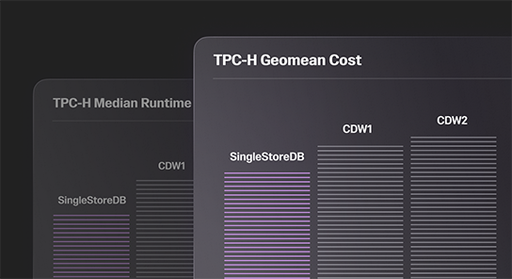
Low latency, high concurrency
Single-digit millisecond response times on large datasets across hundreds of concurrent users running complex queries
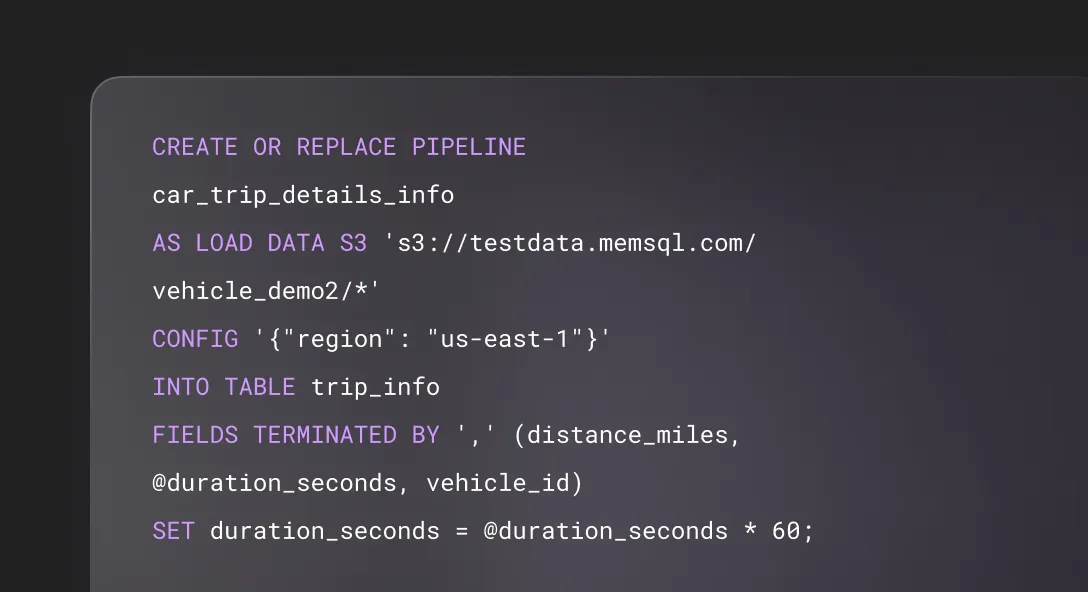
Fast ingestion
SingleStore Pipelines offer parallel data ingestion (with optional transforms) from multiple data sources such as Kafka, Amazon S3 and HDFS
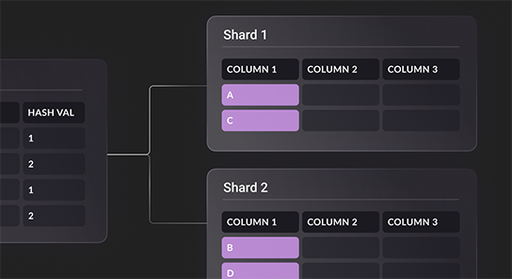
Horizontal scalability
Scale out architecture + separation of storage and compute for optimizing price-performance.
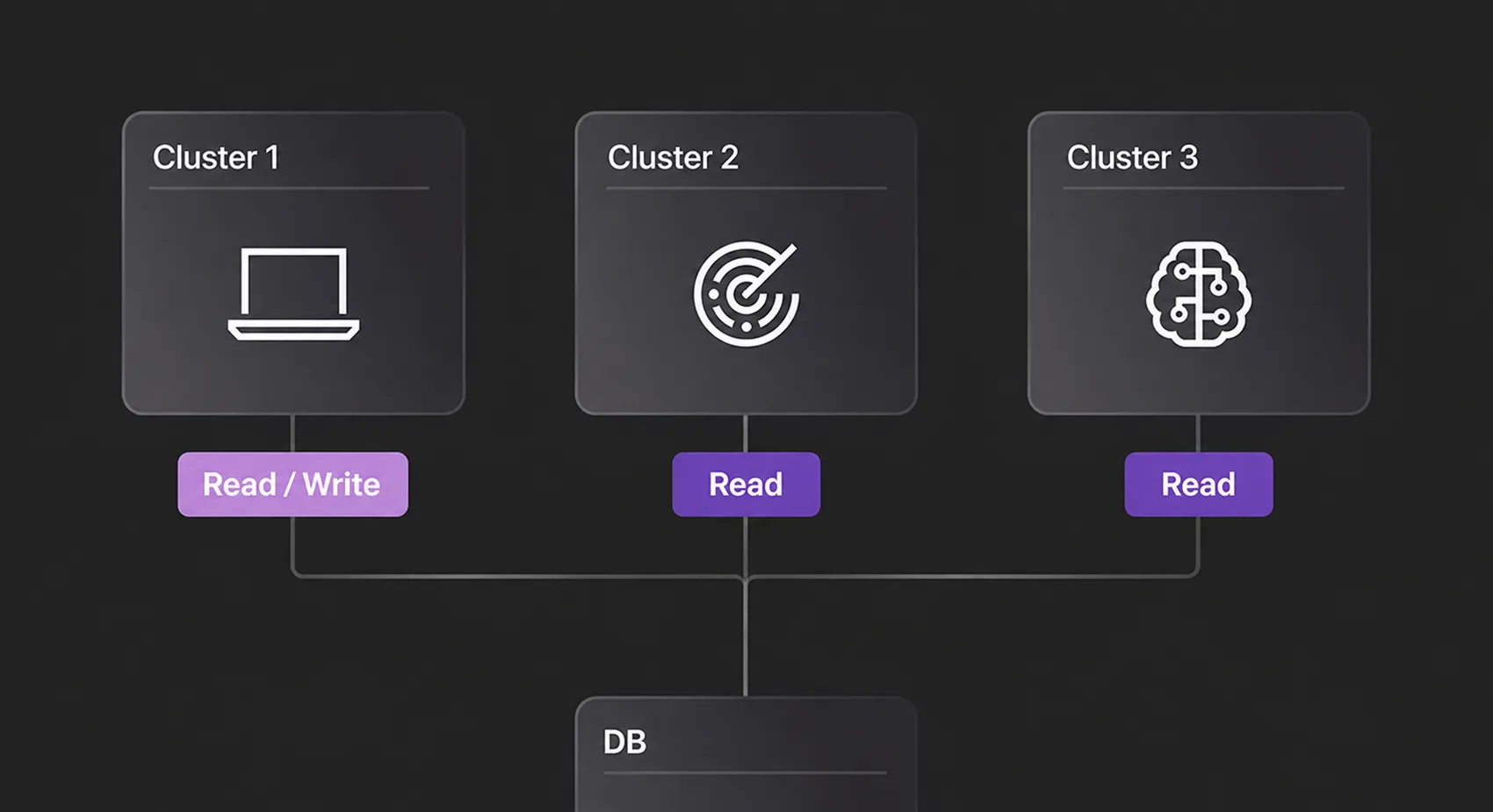
Clusters
Clusters allow you to scale compute independently while workloads run on shared data.
One table, three storage tiers
Writes land in an in-memory rowstore and move to the columnstore in the background, so a row is queryable the moment it commits. Data sits in memory, on local disk and in object storage, so storage scales apart from compute.
Distributed and shared-nothing
Aggregator and leaf nodes spread data and queries across the cluster. Add nodes for scale and fault tolerance.
Ingest at the source
Pipelines load from Kafka, Amazon S3 and HDFS, or from CDC, straight into the table, with optional transforms.
One engine,
or two engines and a sync.
Every major platform now pairs a transactional engine with an analytical one. Here is how each keeps them in step, from each vendor’s own pages.
| Platform | Transactions run in | Analytics run in | How the data gets from one to the other | Status |
|---|---|---|---|---|
| SingleStore Helios | One engine | The same engine, on the same table | Nothing to move: rows are queryable on commit | Generally available |
| Databricks LakebaseCompare | Postgres | The lakehouse | Synced to the lakehouse; LTAP (one governed copy) is announced as coming soon | Lakebase available; LTAP in Beta and preview (as of November 2026) |
| Snowflake PostgresCompare | Postgres | The Snowflake warehouse | Mirrored to Snowflake “in seconds” | Available on AWS and Azure |
| Snowflake hybrid tablesCompare | A row store | A columnar copy | Copied to columnar storage asynchronously | Available on AWS and Azure; GCP in preview (as of November 2026) |
| ClickHouse Managed PostgresCompare | Postgres | ClickHouse | Replicated by CDC, with lag “as low as a few seconds” | Available on AWS; GCP in private preview (as of November 2026) |
From each vendor’s public product pages and announcements, November 17, 2026.
Stitching two engines also costs more. In a 2022 GigaOm study, SingleStore had 50% lower TCO than MySQL plus Snowflake and 60% lower than PostgreSQL plus Redshift.
More demand.
Keep the business moving.
One fast query is only the beginning. The real test is what happens as more customers, applications and agents need answers at the same time.
Build faster
Tap into the simplicity and programmability of MySQL and MongoDB® wire-protocol compatibility for structured, semi-structured and unstructured data.

SQL
Familiar, powerful SQL for writing and retrieving data. ACID compliant transactions
Multi-model
Relational, JSON/BSON documents, vector search, full-text search, time-series, geospatial, key-value
Unified table type
Unique Universal Storage (rowstore + columnstore) for high performance transactions and analytics
Collaboration
Leverage Notebooks for quickly developing, sharing and collaborating on SQL and Python projects
Vector + full-text search
Fast K-NN and ANN vector search with IVF, HNSW and PQ algorithms. Plus, full text-search for fuzzy or exact text matching
MongoDB® data analytics in SQL
Replicate MongoDB® collections into SingleStore with Pipelines and analyze them with SingleStore SQL.
Built for the future.
In production today.
Customers measure what changes when the workload moves to Helios.











Build for your enterprise
With security, high availability, disaster recovery and operational ease built in, SingleStore allows you to focus on creating value for your customers, without having to worry about operational aspects of your data platform.
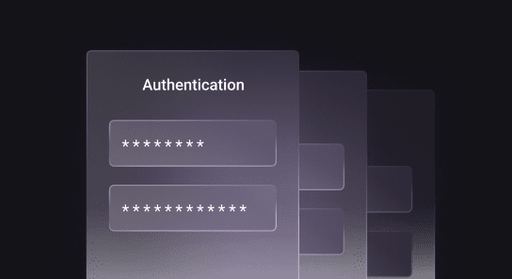
Security
For data at rest and in motion, provide authentication, authorization and accounting using tools like Okta, Ping and Azure AD, and audit logging
Compliance
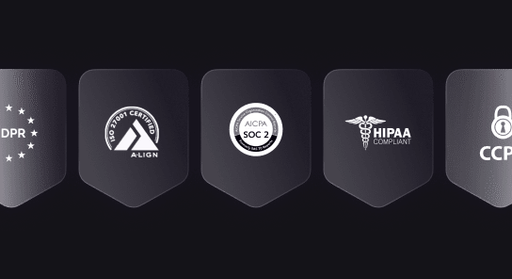
Security certifications including ISO/IEC 27001 and SOC 2 Type 2.
Availability
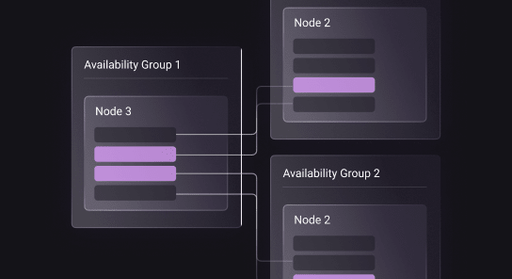
Ensure high availability for your mission-critical applications with up to a 99.99% uptime SLA, the ability to recover databases to any point in time and multi-AZ failover
Observability + Manageability
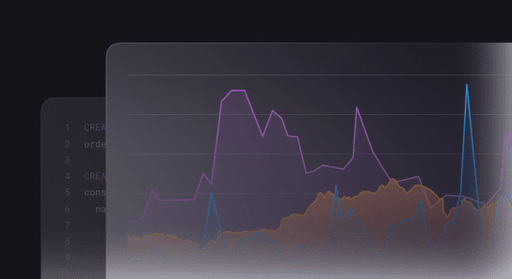
It’s easy to optimize the performance of your databases with built-in observability, elastic scalability and API-powered database operations.
Cloud or data center.
The same engine, wherever your data has to live.
SingleStore Helios
Fully managed on AWS, Microsoft Azure and Google Cloud, from a free Shared cluster to dedicated Standard and Enterprise clusters.
See pricingSingleStore Self-Managed
The same engine, running in a cloud account or data center you own and operate.
Read the docs