
The real-time database for financial services.
SingleStore is a database that runs transactions and analytics in one engine. Banks, trading firms and wealth managers use it to score payments, recalculate risk and refresh client portfolios on data that includes the latest trade.
Running in production at banks, trading firms and fintechs






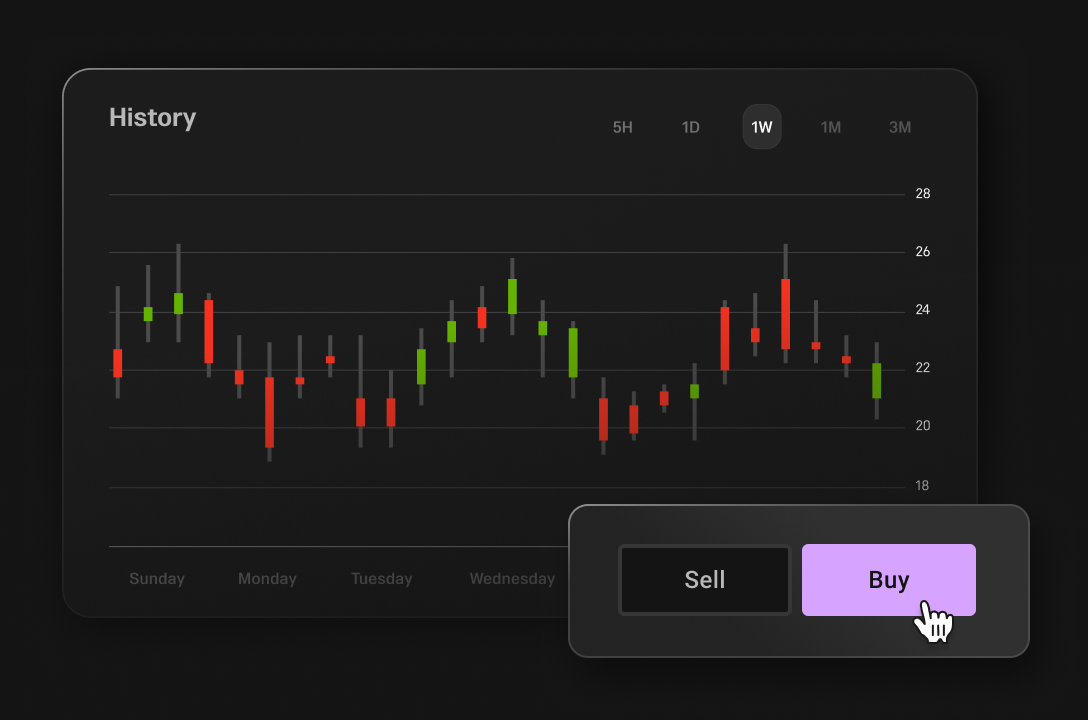
Markets and payments settle faster
Instant payments and T+1 settlement cut the time to catch a failed trade or a fraudulent transfer to hours or less. Every decision has to use data that includes the last few seconds.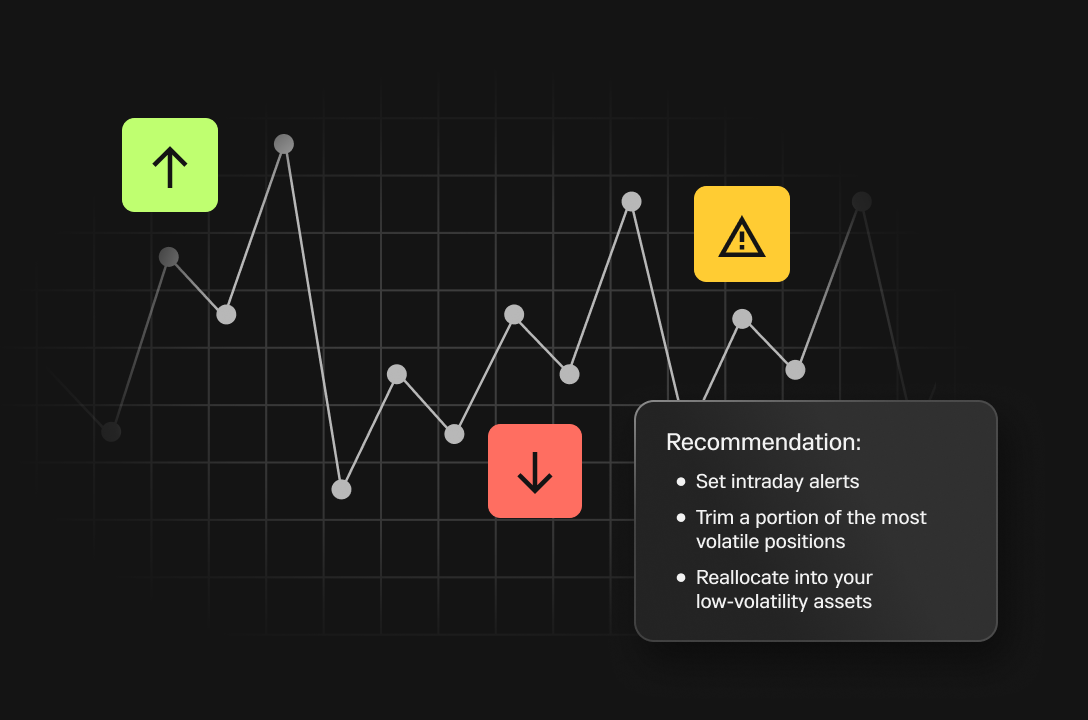
Risk is measured during the trading day
Desks, risk teams and regulators expect exposure, liquidity and P&L views that update intraday. An end-of-day batch report leaves hours of positions that no one can see.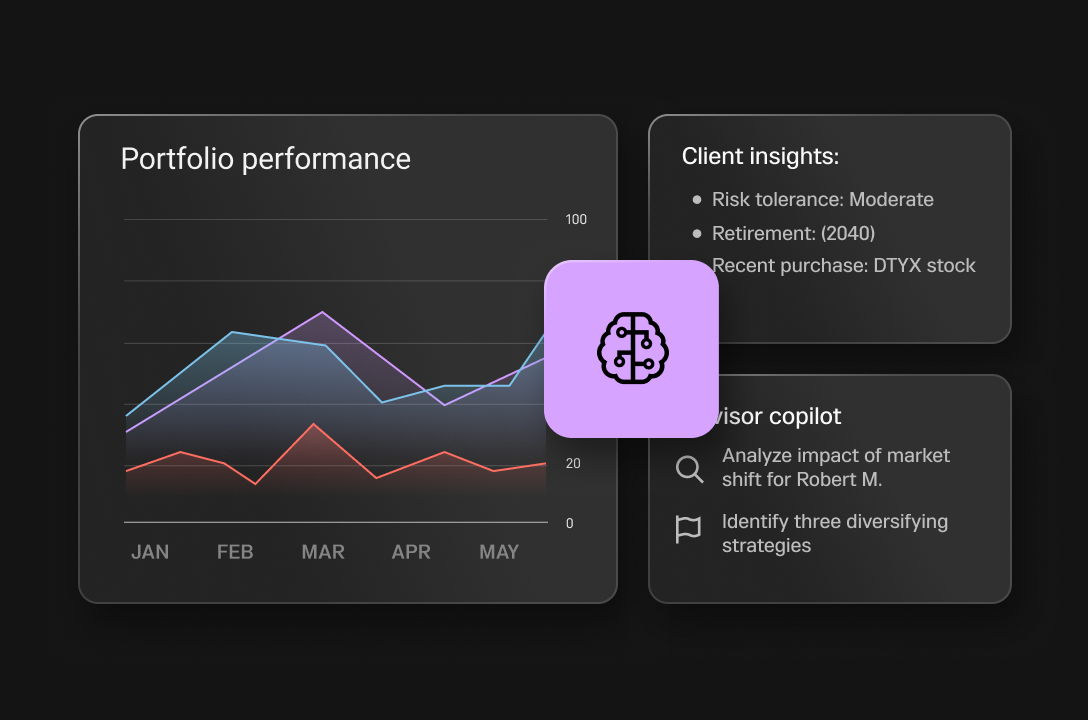
AI is moving into client and trading workflows
Adviser copilots, fraud models and trading agents act on what they read. They need current account and market data, under the same controls as every other application.Risk and P&L that trail the trading day
Trade capture writes to an operational database, while risk aggregation reads from a warehouse that loads overnight. Desks set limits and hedge against yesterday’s positions while prices move during the session.
Fraud scores built on an outdated view of the account
When transactions are copied to a separate analytics store before scoring, the model judges each payment without the account’s latest activity. Fraud gets approved, or a good customer gets declined at checkout.
Client portfolio dashboards that slow down in volatile markets
A market swing brings thousands of advisers and clients online at once, each refreshing portfolios with thousands of positions. Databases built for one workload queue those queries just when clients most want answers.
AI assistants answering from last night’s extract
A copilot that reads from a nightly copy can quote a balance or position that changed this morning. Production AI in a regulated firm needs current records and the same access controls as every other application.
Transactions and analytics together
Run real-time analytics on trades, payments and positions in the same tables they are written to, with no ETL job.
Streaming ingest from Kafka and CDC
SingleStore Pipelines load market data, orders and transactions continuously, ready to query the moment they land.
Millisecond queries at high concurrency
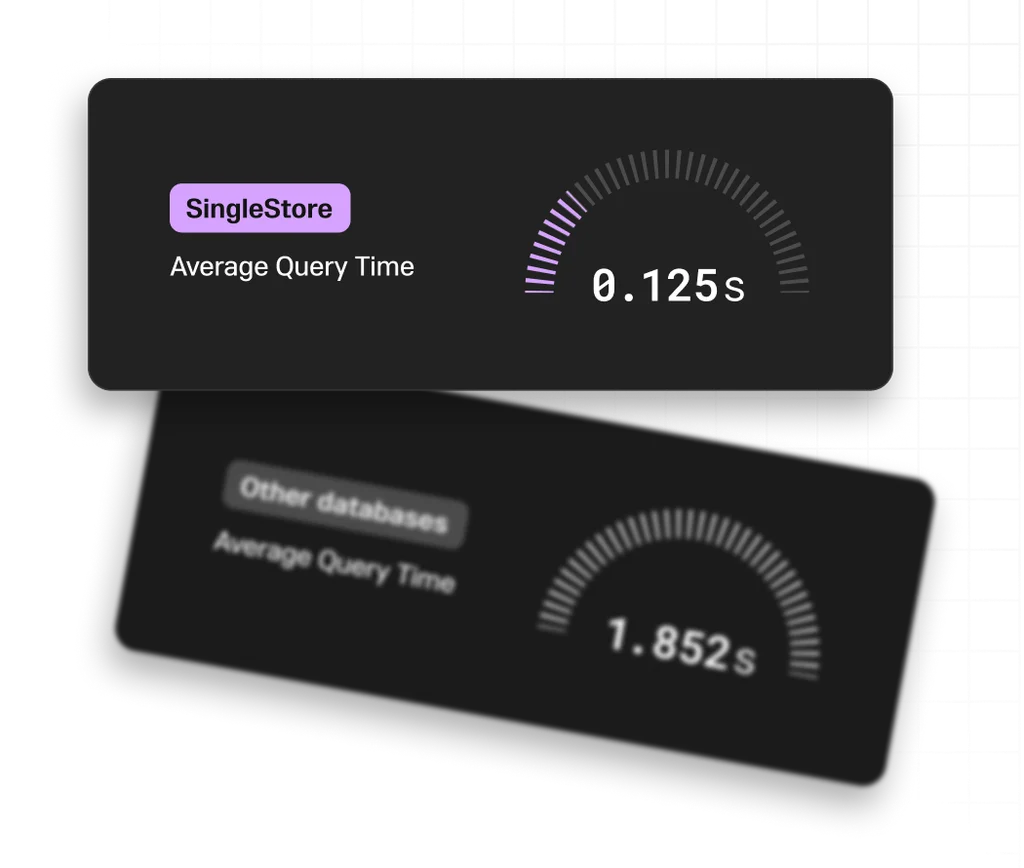
Response times stay in milliseconds while thousands of traders, advisers and APIs query at once.
ACID transactions at scale
Every trade, ledger entry and balance update commits with full transactional guarantees, on a cluster built for high availability.
Vector and full-text search
Combine vector search, full-text search and SQL filters on live financial records in one query.
Security and compliance
Role-based access, encryption and audit logging are built in, with SOC 2 Type II and ISO 27001 certification.
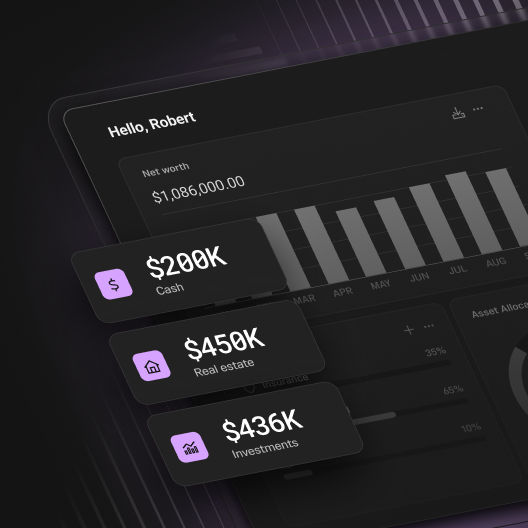
Refresh a portfolio of thousands of positions, with its tables and charts, in under a second, including trades from moments ago. Advisers and clients see the same current numbers during a volatile session.
Recalculate VaR, Greeks and exposure as trades execute, joining positions, index and fund composition and risk factors in SQL. Desks hedge and set limits against current positions.
Score each payment against the account’s recent activity and merchant history while the authorization is still open, as payment processors and fintechs do on SingleStore. Lenders use the same joins, plus geospatial queries, to flag insider fraud.
Run pattern queries across order and trade streams to flag spoofing, layering and unusual activity as it happens. Years of history stay queryable for trade reconstruction and regulator requests.
Stream changes from core systems into a customer data hub and serve mobile, web and branch apps from it. Read traffic moves off the mainframe, and every channel shows the same customer record.
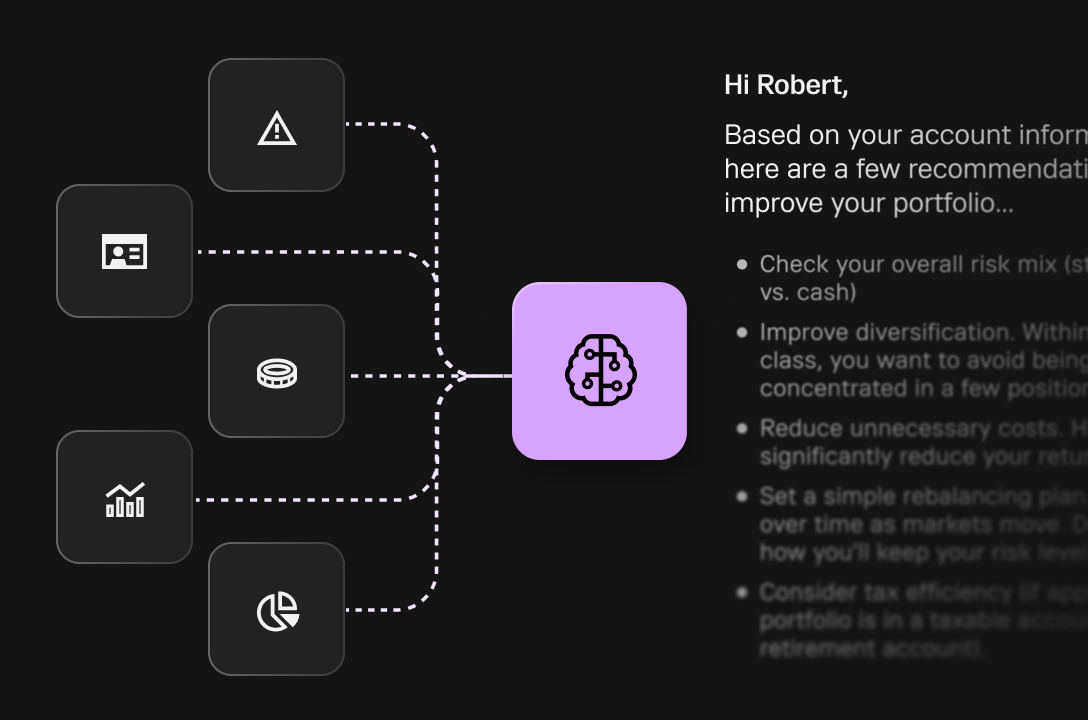
Give advisers and analysts a copilot that answers from current positions, transactions and research notes. MonitorBase runs vector search in SingleStore to return mortgage-retention alerts in under 100 ms.
Real-time wealth and trading insights on petabytes of data
A Fortune 25 financial institution moved its private wealth management and equities trading platforms to SingleStore on AWS after its legacy databases could not return portfolio queries in milliseconds during volatile markets. Advisers and clients now work with live portfolio data, and the bank analyzes more history in each query.
Results
2+ PB of investment and trading data in production
40,000+ concurrent users with consistent response times
10 to 20 ms query latency across live and historical data
5x more data analyzed in real time
A customer data hub that took 30% of the mainframe load
A Tier 1 bank moved 30% of its mainframe workload to a customer data hub on SingleStore Helios®, fed by change data capture. The hub serves personalized omnichannel recommendations, and the bank redirected the savings to new customer applications.
Results
$40 million saved each year
125 million queries a day with millisecond response times
30% of mainframe traffic moved to SingleStore
A real-time database for financial services records transactions and answers analytical queries on them as they arrive, so risk, fraud and client applications work from current data. SingleStore does both in one engine, which removes the overnight load between an operational database and a warehouse. More on real-time analytics with SingleStore.
Usually not. Most financial institutions run SingleStore beside the core system, fed by Kafka or change data capture through SingleStore Pipelines, to serve risk, fraud detection, analytics and customer applications. Some teams also use it as the system of record for new applications.
SingleStore scores a transaction against the account’s recent and historical activity in milliseconds, inside the authorization window. Transactions are queryable as soon as they are written, so the model sees the latest activity on the account.
Yes. SingleStore Helios® holds SOC 2 Type II and ISO 27001 certifications and includes role-based access control, encryption in transit and at rest, and audit logging. Firms with data residency rules can run SingleStore self-managed in their own data centers or private cloud.
Yes. SingleStore stores vectors beside transactional and analytical data, so a copilot or agent can combine vector search, full-text search and SQL filters on live records in one query. Access stays under the same database roles as every other application.

Talk to a financial services engineer.
Bring one workload, such as intraday risk or fraud scoring, and a SingleStore engineer will walk you through the architecture and a proof of concept on your data.